
Balloon Angioplasty Procedure (PCI): Coronary Artery Disease Treatment
Center : Heart Center
Article by : Dr. Sirapat Poonvutikul
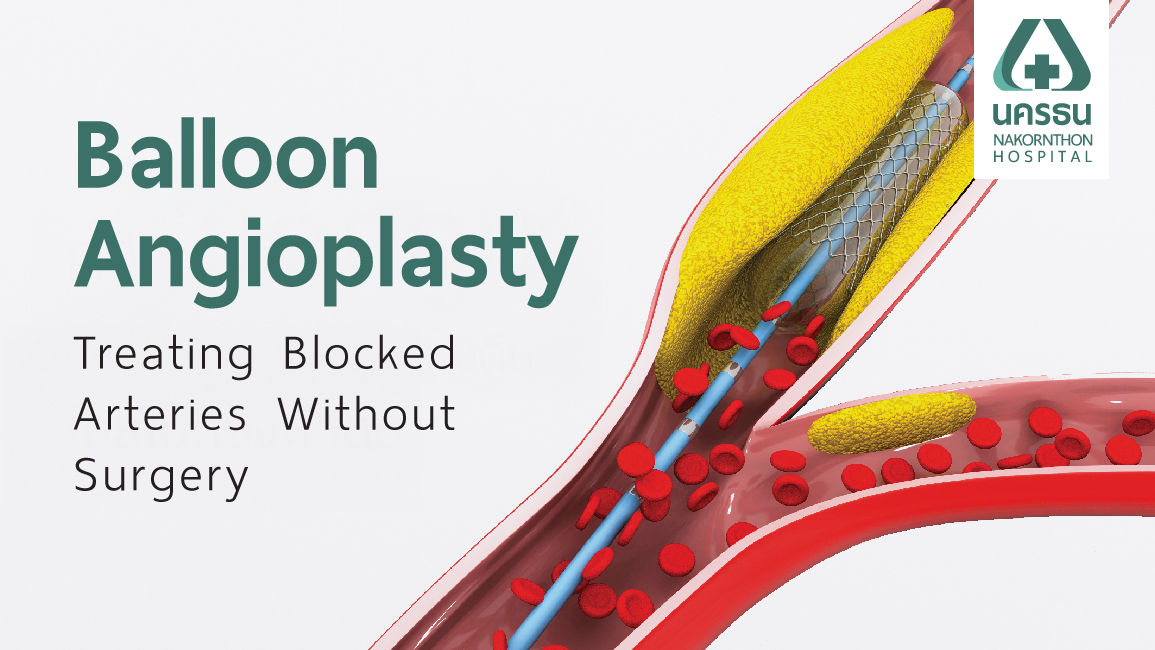
- Balloon angioplasty (PCI) treats blocked coronary arteries without open-heart surgery. A catheter with a small balloon is guided to the blockage and inflated to widen the artery with no large incisions, no general anesthesia, and a recovery measured in days.
- Stent placement is almost always combined with balloon angioplasty. The stent acts as a permanent internal scaffold to keep the artery open. Drug-eluting stents release medication over time to reduce the risk of the artery narrowing again.
- The balloon angioplasty procedure takes around 45–60 minutes. Most patients are discharged within 1–2 days and return to light daily activities quickly — a significant advantage over bypass surgery.
- Cardiac catheterization is the diagnostic step that comes first. Coronary angiography maps the exact location and severity of blockages before treatment begins, and in many cases, the diagnostic and treatment procedure happen in the same session.
- PCI is appropriate for most patients with one or two blocked arteries. Bypass is typically reserved for multi-vessel disease, left main blockages, or cases too complex for stenting.
- Biplane DSA imaging at Nakornthon Hospital Heart Center allows cardiologists to visualize even small and tortuous coronary arteries with exceptional clarity, supporting safer, more precise interventions for complex cases.
- Nakornthon Hospital is set up specifically for international patients. English-speaking cardiologists, fast-recovery protocols, and full discharge planning for patients returning home after balloon angioplasty in Thailand.
Balloon angioplasty, cardiac balloon procedure, or heart balloon surgery, combined with stent placement is a specialized treatment for coronary artery disease without open surgery. This condition occurs when the arteries supplying blood to the heart muscle become blocked or narrowed, leading to chest pain, shortness of breath, and potentially acute heart failure.
The balloon angioplasty procedure is a minimally invasive treatment that reopens blocked vessels, allowing blood to flow more freely to the heart muscle. Patients experience quick recovery times while effectively relieving symptoms and reducing the risk of serious complications.
Table of Contents
- Understanding Coronary Artery Disease (CAD)
- What Is a Balloon Angioplasty?
- When Is a Balloon Angioplasty Needed?
- Balloon Angioplasty vs. Stent vs. Bypass Surgery
- Cardiac Catheterization in Thailand
- How to Prepare for Your Balloon Angioplasty Procedure
- What Happens During a Balloon Angioplasty Procedure in Thailand?
- Recovery After a Balloon Angioplasty Procedure
- Possible Risks & Complications of Balloon Angioplasty
- Why Choose Nakornthon Heart Center for Balloon Angioplasty in Thailand?
- Frequently Asked Questions (FAQs) About Balloon Angioplasty
- Free Online Consultation with a Specialist
Understanding Coronary Artery Disease (CAD)
The coronary arteries are the blood vessels that supply the heart muscle with oxygen and nutrients. When fatty deposits, a mix of cholesterol, calcium, and inflammatory tissue, build up on the inner walls of these arteries, the passage for blood flow gradually narrows. This buildup is called atherosclerosis, and it is the underlying cause of coronary artery disease (CAD).
As the arteries narrow, the heart receives less blood. In the early stages, this may produce no symptoms at all. As the blockage worsens, patients typically begin to notice chest pain or tightness (angina) during exertion; shortness of breath; fatigue; and, in some cases, pain radiating to the arm, jaw, or neck. If an artery becomes severely blocked or a piece of plaque ruptures and triggers a clot, the result can be an acute myocardial infarction or a heart attack. This is a medical emergency.
What Causes Coronary Artery Blockage?
Coronary artery blockage develops over time and is driven by a combination of factors:
- High LDL cholesterol — the primary building block of arterial plaque
- High blood pressure — damages the inner lining of arteries, making them more susceptible to plaque accumulation
- Smoking — accelerates arterial damage and promotes clot formation
- Type 2 diabetes — raises the risk of atherosclerosis significantly
- Physical inactivity and excess weight — contribute to elevated cholesterol, blood pressure, and blood sugar
- Family history — a first-degree relative with early heart disease substantially increases your own risk
- Chronic stress — elevates cortisol and inflammation markers linked to arterial disease
When Is Coronary Artery Disease Treatment Needed?
Not all coronary artery disease requires immediate intervention. Mild narrowing can often be managed with medications and lifestyle changes. However, treatment becomes more urgent when:
- Chest pain (angina) is frequent, severe, or occurs at rest
- Stress testing or imaging reveals a significant blockage, reducing blood flow to the heart muscle
- A heart attack has occurred or is in progress
- Medication is no longer controlling symptoms adequately
- Imaging shows a blockage severe enough to put the patient at high risk of a cardiac event
At Nakornthon Hospital Heart Center, your cardiologist will review your symptoms, imaging results, and medical history to determine whether coronary artery balloon treatment, medication, or surgery is the most appropriate path forward.
What Is a Balloon Angioplasty?

Balloon angioplasty, or Percutaneous Coronary Intervention (PCI), is a minimally invasive procedure used as a coronary artery disease treatment without the need for open-heart surgery. Balloon angioplasty widens narrowed or blocked coronary arteries by inserting a thin, flexible catheter with a small balloon at its tip through blood vessels in the groin or wrist.
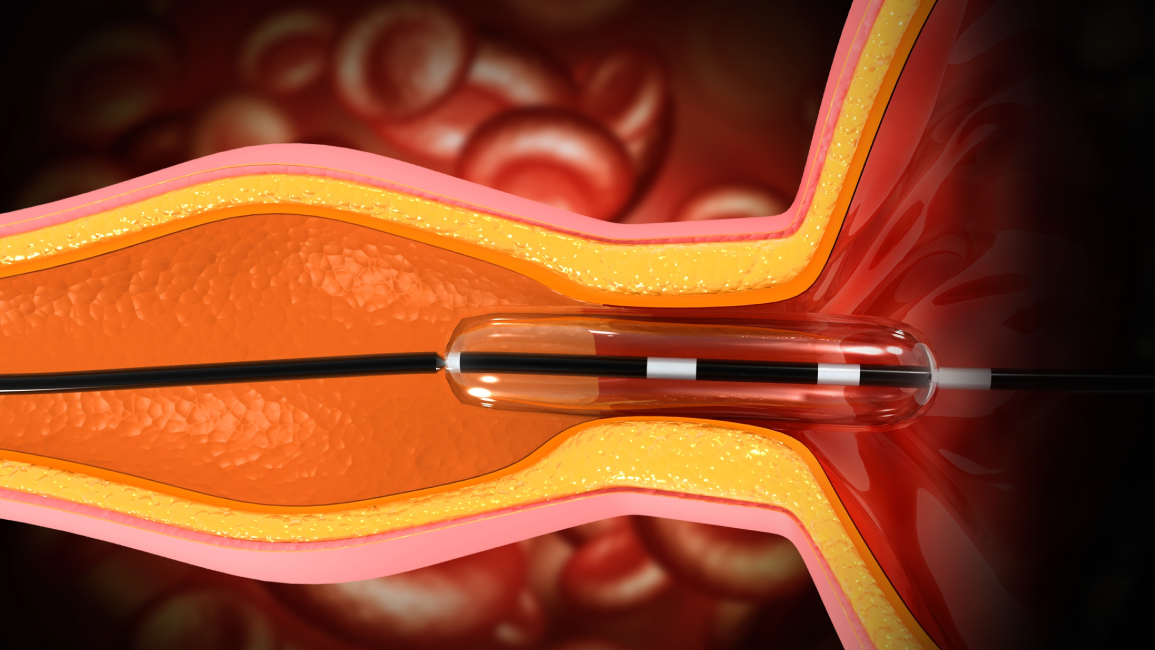
When the catheter reaches the narrowed section of the artery, the balloon is inflated, compressing fatty deposits and calcium buildup against the artery walls. This process widens the blood vessel, allowing blood to flow more freely to the heart muscle once again.
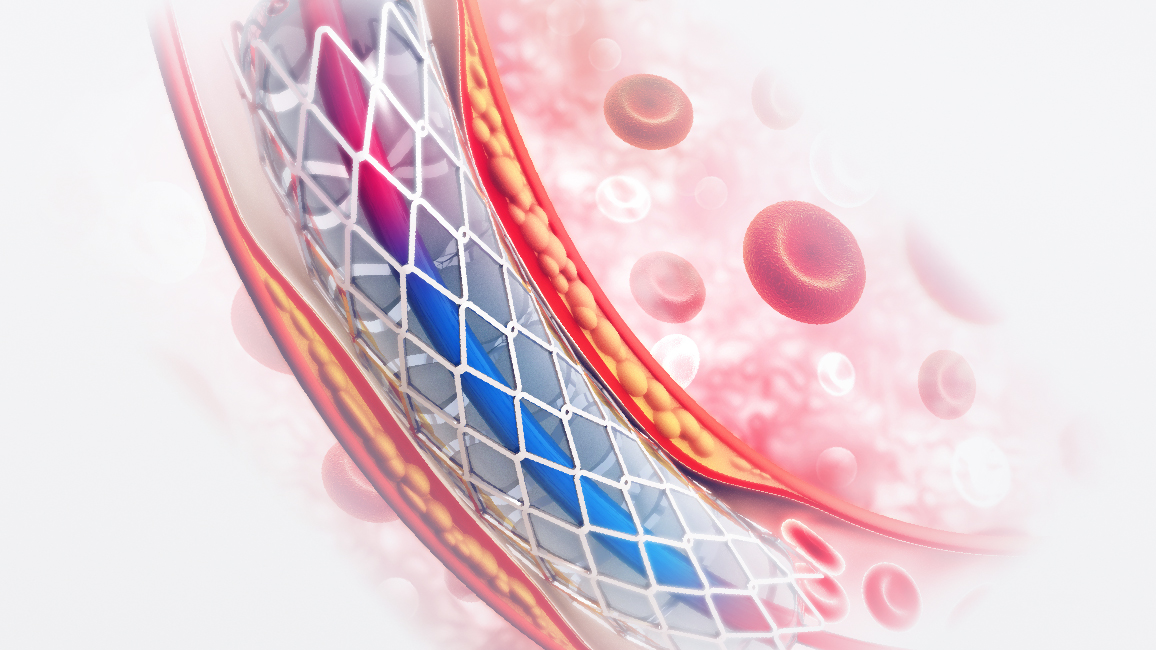
In most cases, physicians will also place a stent, a small mesh tube, to reinforce the newly widened artery. The stent remains permanently in place, providing structural support and helping to prevent the artery from narrowing again. Some stents are coated with medication (drug-eluting stents) that is gradually released to further reduce the risk of re-narrowing over time.
When Is a Balloon Angioplasty Needed?
Balloon angioplasty or heart balloon surgery works by pushing fatty blockages against the arterial walls, creating a wider passage for blood flow through previously narrowed sections. This significantly reduces the risk of acute myocardial infarction (heart attack) caused by coronary artery blockages. The procedure offers fewer complications compared to bypass surgery since it does not require major surgical incisions or general anesthesia.
Recovery after balloon angioplasty with stent placement is remarkably brief. Most patients need only 1-2 days of rest before returning to normal life without the worry of cardiac ischemia symptoms. Another advantage is that the procedure can be repeated multiple times if the arteries narrow again in the future.
However, for patients with multiple blocked vessels or with complicating conditions such as arrhythmias or heart valve regurgitation, physicians may recommend heart bypass surgery as a more appropriate treatment option.
Balloon Angioplasty vs. Stent vs. Bypass Surgery
One of the most common questions patients ask is how balloon angioplasty, stent placement, and bypass surgery differ, and which one applies to their situation. The answer depends on the number of blocked vessels, the complexity of the blockages, and the presence of other cardiac conditions.
Balloon Angioplasty with Stent Placement (PCI)
Balloon angioplasty with stent placement is the preferred approach for most patients with one or two blocked coronary arteries. It is minimally invasive, performed under local anesthesia, and requires no surgical incisions. The procedure takes 45–60 minutes, and most patients are discharged within 1–2 days.
The stent placed during the procedure acts as a permanent internal scaffold, keeping the artery open after the balloon is deflated and removed. The vessel walls heal around the stent over the following weeks.
Drug-Eluting vs Bare-Metal Stents: What's the Difference?
Two main types of stents are used in heart stent surgery:
- Drug-eluting stents (DES) are coated with a medication that is gradually released into the surrounding arterial tissue over several months. This medication suppresses the growth of scar tissue inside the stent, the main cause of re-narrowing (restenosis), making drug-eluting stents the preferred option in most cases.
- Bare-metal stents (BMS) are uncoated mesh tubes. They carry a higher restenosis rate than drug-eluting stents but may be preferred in specific situations, for example, in patients who cannot take long-term antiplatelet medications.
Your cardiologist will recommend the appropriate stent type based on the location and nature of your blockage, your other medications, and your overall health profile.
When Is Heart Bypass Surgery Recommended Instead?
Heart bypass surgery (coronary artery bypass grafting, or CABG) involves rerouting blood flow around the blocked artery using a vessel grafted from another part of the body. It requires open-chest surgery under general anesthesia and carries a longer recovery period.
Bypass surgery is typically recommended when:
- Multiple coronary arteries are severely blocked, particularly three-vessel disease or left main coronary artery disease.
- The blockages are too complex or diffuse for stent placement to be effective.
- The patient has diabetes with multi-vessel disease, where bypass generally produces better long-term outcomes.
- Other cardiac conditions, such as heart valve disease or arrhythmias, require surgical correction at the same time.
For patients who are not good candidates for a stent in heart surgery due to the complexity of their blockages, Nakornthon Hospital cardiologists and cardiac surgeons work together to determine the most appropriate treatment pathway.

Cardiac Catheterization in Thailand
Before balloon angioplasty is performed, patients typically undergo cardiac catheterization, a diagnostic procedure that maps the coronary arteries and identifies the exact location, severity, and number of blockages.
During cardiac catheterization, a catheter is guided to the coronary arteries, and contrast dye is injected. X-ray imaging then creates a real-time picture of blood flow through the vessels, a process called coronary angiography. In some cases, the diagnostic cardiac catheterization and the balloon angioplasty procedure are performed in the same session. If the angiogram reveals a blockage that is suitable for PCI, the cardiologist may proceed directly to treatment without the patient needing to return for a separate appointment.
How to Prepare for Your Balloon Angioplasty Procedure
- Fast from food and liquids for 6-8 hours before the procedure
- Inform your doctor about any allergies to medications or seafood
- Provide a complete list of your medical conditions
- Bring all your regular medications, especially:
- Diabetes medications
- Blood thinners (anticoagulants)
- Notify your doctor about any:
- Cold medications
- Antihistamines
- Weight loss supplements
- Psychiatric medications (some may cause heart rhythm disturbances)
- Try to remain calm, as stress and anxiety can temporarily affect heart rhythm
What Happens During a Balloon Angioplasty Procedure in Thailand?
- Your doctor will administer local anesthesia before inserting a catheter into an artery in your wrist or groin.
- A soft plastic tube (approximately 2mm in diameter) will be inserted into the artery to create a pathway for the cardiac catheter into your main coronary arteries.
- Contrast dye will be injected through this small tube to visualize the inside of your blood vessels and identify narrowed areas. Upon locating blockages, your doctor will insert the cardiac catheter to expand the narrowed vessel using a balloon and supportive stent.
- The entire balloon angioplasty procedure typically takes about 45-60 minutes. After completion, the tube will be removed from your wrist or groin, and pressure will be applied to stop bleeding. Depending on your case and your doctor's assessment, medication or special devices may be used to accelerate clotting.
Recovery After a Balloon Angioplasty Procedure
Immediate Post-Procedure Care (First 24 Hours)
Recovery after a heart balloon surgery is one of its most significant advantages over bypass surgery. The post-procedure protocol depends on which access site was used:
Wrist access (radial approach): You can sit up and stand within 4–8 hours. A compression wristband (TR band) is worn temporarily to prevent bleeding at the access site. This is the preferred approach at Nakornthon Hospital for most patients due to its faster recovery and lower complication rate.
Groin access (femoral approach): You will need to lie flat for 6–10 hours without bending the leg. Walking is not permitted immediately after the procedure.
During your recovery period in the hospital:
- Drink approximately 1 liter of water (if not medically restricted) to help flush the contrast dye from your system.
- Keep the access site dry for approximately 3 days; if it becomes wet, clean the area with betadine.
- Report any of the following to your nurse immediately: bleeding at the site, pain, swelling, redness, unusual warmth or coolness, paleness, or lump formation.
Home Recovery Guidelines (First 4 Weeks)
Most patients are discharged within 1–2 days and can return to light daily activities quickly. To support a safe recovery at home:
- Take pain medication as prescribed or consult your doctor if you experience pain at the balloon angioplasty procedure site.
- Take all prescribed medications exactly as directed, particularly antiplatelet medications (such as aspirin and clopidogrel), which prevent blood clots from forming in the stent. Never stop them without medical advice.
- Avoid strenuous exercise and heavy lifting for the first 2 weeks following the procedure. Do not lift objects heavier than 5 kilograms (11 lbs) for approximately one month.
- Apply gentle pressure to the wound site for about 7 weeks (if the procedure was performed via the groin) when coughing or straining.
- Seek immediate medical attention if you experience chest pain, shortness of breath, or any symptoms that feel like those that preceded your procedure, as these could indicate a re-blockage and require urgent assessment.
Possible Risks & Complications of Balloon Angioplasty
While a coronary artery balloon treatment has a low risk of side effects (only about 1%), there are still some potential risks associated with the procedure, including:
- Infection, bleeding, or pain at the catheter insertion site
- Blood clot formation in coronary arteries, which can lead to myocardial infarction
- Allergic reaction to contrast media, potentially causing shock
- Cardiac arrhythmias
- In some cases, perforation of coronary vessels or heart muscle during balloon catheter insertion
- Stroke due to blood clots (incidence less than 0.2%)
- Death (incidence less than 0.5%)
Why Choose Nakornthon Heart Center for Balloon Angioplasty in Thailand?
Performing balloon angioplasty under the supervision of specialized physicians, along with following medical advice, can significantly reduce these risks.
Biplane DSA Technology: Precision Treatment for Complex Coronary Arteries
At Nakornthon Hospital Heart Center, treatment efficacy is enhanced through the use of Biplane Digital Subtraction Angiography (Biplane DSA) technology for diagnosing and treating coronary artery disease. This advanced equipment produces exceptionally clear images, allowing physicians to clearly visualize even very small catheter vessels, making it possible to treat complex and tortuous coronary arteries effectively.
International Patient Care: English-Speaking Cardiologists in Bangkok
Nakornthon Hospital is particularly well-equipped and its team well-trained to serve international patients in Thailand who seek heart balloon surgery with minimal hospital stays. The hospital features comprehensive medical equipment and specialized care designed specifically for expatriates and foreign residents. The modern cardiac facilities allow for fast-recovery procedures in many cases, meaning patients can often return home quickly without extended hospital stays.
With English-speaking staff, state-of-the-art diagnostic equipment, and internationally trained cardiologists, Nakornthon Hospital provides efficient treatment pathways designed for the international community.
Free Online Consultation
- Facebook Fanpage: Nakornthon Hospital - International Patient
- LINE Official: @nakornthoninter
- Tel: 02-450-9999 1074-1075
Frequently Asked Questions (FAQs) About Balloon Angioplasty
-
Q: Is balloon angioplasty the same as open-heart surgery?
A: No, it is not the same, and this is one of the most important distinctions for patients to understand. Balloon angioplasty is a minimally invasive procedure. It accesses the coronary arteries through a small puncture in the wrist or groin. Open-heart bypass surgery, by contrast, involves a full sternotomy (splitting of the breastbone) and a recovery period of several weeks. PCI and bypass surgery treat coronary artery disease through completely different approaches.
-
Q: How long does the balloon angioplasty procedure take?
A: The heart balloon surgery procedure itself typically takes 45–60 minutes. If multiple blockages are being treated in the same session, it may take longer. When you factor in preparation time and the immediate recovery period before discharge, most patients spend 1–2 days in hospital from admission to discharge.
-
Q: Will I be awake during the balloon angioplasty procedure?
A: Yes, in most cases. Balloon angioplasty is performed under local anesthesia at the access site, not general anesthesia. Patients are awake and can communicate with the care team throughout the procedure. Most people report feeling little to no pain; some describe feeling a brief sensation of pressure when the balloon is inflated, but this passes quickly.
-
Q: What is the difference between balloon angioplasty vs. stent placement?
A: Technically, balloon angioplasty and stent placement are two steps in the same procedure rather than separate alternatives. The balloon widens the blocked artery; the stent is then deployed to hold it open permanently. In current practice, balloon angioplasty without stenting (plain old balloon angioplasty, or POBA) is rarely used on its own for coronary arteries because the re-narrowing rate without a stent is significantly higher. The combined balloon angioplasty with stent placement is the standard approach.
-
Q: How long do coronary stents in heart surgery last?
A: A stent placed in a coronary artery is a permanent implant, it stays in place for life and does not need to be replaced. The concern with stents is not that they fail mechanically, but that scar tissue can grow inside the stent and cause it to narrow again (a process called in-stent restenosis). Drug-eluting stents significantly reduce this risk. With the right medications and follow-up care, most patients with well-placed coronary stents maintain good arterial blood flow long-term.
-
Q: Can I travel back to my home country shortly after balloon angioplasty in Thailand?
A: For most patients, short-haul travel is possible within a few days of discharge and international travel within 1–2 weeks, depending on your recovery and your cardiologist's assessment. Our team at Nakornthon Hospital will provide a full discharge summary and medication plan that you can share with your cardiologist at home. If you are planning to travel from Bangkok after the procedure, let our patient coordination team know in advance so your discharge planning can account for your travel schedule.

Free Online Consultation

Article of Heart Center


.jpg)